
The Ultimate Guide to Buying a Home in a Cutthroat Market in Los Angeles

Reality check
Los Angeles is still competitive in the places most buyers want. Typical homes in the city are taking about two months to sell. Many go faster when they show well and are priced right. Hot listings can go under contract in roughly three and a half weeks. A meaningful slice still sells the above list. Recent Redfin data for the city shows homes selling in about fifty seven days on average, with hot homes pending in about twenty five days, and more than a third of sales closing above the asking price.
Cash is part of the picture. Across the United States in twenty twenty four, just under one third of purchases closed with cash. That share eased from the prior year, but it still shapes negotiations in many markets (Redfin).
Those facts set the tone. The process is not easy. Still, there are clear ways for financed buyers to compete. Certainty helps. Speed helps. Clean paperwork helps. A calm plan helps even more.
Mission prep for your money
Strength in a bidding situation starts before the first tour. Do work upfront so the offer reads as ready on day one.
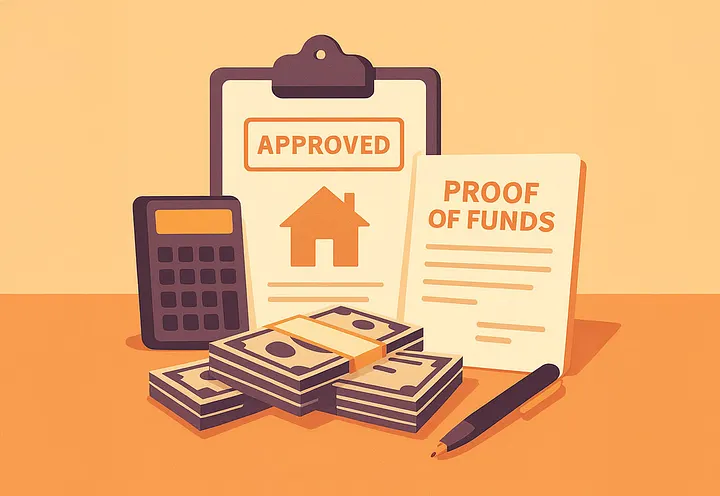
Go beyond a quick letter. A simple pre-approval is a surface review. Ask a lender for full underwriting of your income, assets, and credit before you pick a property. Many lenders call this a file underwritten to be determined. That status tells the listing side that a real underwriter already checked the major parts of your file. It shortens timelines and reduces doubt for the seller. Have proof of funds ready to send the same day you choose a home. A one page snapshot with your name and current balances answers the basic question of whether you can close. The Consumer Financial Protection Bureau reminds shoppers to compare real numbers across lenders and to use the standardized Loan Estimate to make apples to apples decisions. Requesting multiple Loan Estimates on the same day makes the comparison fair and keeps quotes honest (Consumer Financial Protection Bureau).
If a low down payment keeps you in the game, know the major paths that are widely used. FHA financing allows down payments as low as three point five percent and can be used on one to four unit homes that you occupy. That is a typical path for buyers who want to live in one unit and rent the others (HUD).
Conventional options exist at three percent down for qualifying first time buyers through programs like HomeReady from Fannie Mae and Home Possible from Freddie Mac. These programs allow small down payments and flexible sources for funds within program limits. They also allow mortgage insurance to end when equity is sufficient, which can lower long run costs compared with some government loans (My Home).
Down payment help can close gaps. California has statewide programs that offer subordinate loans for part of the down payment or closing costs. The MyHome Assistance Program is a common example and publishes its terms for FHA and conventional loans. The Los Angeles Housing Department runs purchase assistance options for low and moderate income buyers as well. Check both sources for current limits and funding status before you plan around them (CalHFA, Los Angeles Housing Department).
Signal commitment with an earnest money deposit that fits your risk comfort. In California, buyers often post one to three percent of the price into escrow. Contracts will define how liquidated damages work. That decision should match timelines you can actually hit.
The point of this early work is simple. A fully vetted file plus clear cash proof leads a seller to believe you will close. Clarity wins offers that price alone would not.

Sharpen the target
A long list of demands blocks progress. Choose a few non-negotiables that truly shape daily life. Keep the rest flexible. Buyers who can accept an older kitchen or a yard that needs work see far more options. Options create more chances to write a winning offer.
Then get very local with the data. Los Angeles is not one market. There are many small markets that sit next to each other. Look at recent closed sales that match the home you want by location, size, and condition. The goal is to spot two kinds of listings. The first is a good home at a fair price that will draw many offers right away. The second is a listing that looks a touch high for its condition or that has awkward photos or showing rules. Those are the ones that sit a little longer and attract fewer offers. That is where strong terms and quick action matter most.
Think about the land and the rules on it. City and state rules now allow more accessory homes than in past years. Los Angeles adopted local standards that work with the state Accessory Dwelling Unit law. In many parts of the city you can build an accessory unit on a lot that already has a single family home. Rules change with location and lot details. Read the Los Angeles Department of Building and Safety pages for current standards and the city housing pages for definitions that matter during planning (LADBS, Los Angeles Housing Department).
If you think long term, learn the basics of the Transit Oriented Communities program. The city offers extra development incentives near major transit stops for projects that include income restricted homes and meet program rules. Even if you do not plan to build, knowing whether a parcel sits inside a tier can change how you value the land and how you think about future neighborhood change (Los Angeles City Planning).

Move with speed and calm
The first seventy two hours after a strong home hits the market often sets the field. Many listing agents gather offers after the first weekend. That rhythm rewards buyers who can submit the same day they decide to go for it.
Prepare templates with your agent before the tours begin. Keep a current lender letter ready. Keep proof of funds ready. Ask your loan officer to be available to update amounts fast and to call the listing agent once your offer is in. A lender call that confirms full underwriting can tip a close race.
Use escalation language with care. In some cases it limits overpaying by beating other offers up to a ceiling. In other cases it telegraphs your top number and annoys the other side. If you use it, cap it and ask for written proof of the competing offer.
Terms matter more than most people think. Shorten inspection timelines only when disclosures are strong or you have inspected already. Use a measured appraisal cushion if your budget allows rather than a full waiver. If your file is fully underwritten, shorten the loan timeline to match reality instead of waiving the loan contingency without a plan. Offer the closing date the seller needs. Offer a rent back if that helps them solve their move.
Letters from buyers to sellers bring risk in many places. Broker groups and trade associations warn that personal details can create fair housing exposure for everyone involved. Keep any note property focused if the listing side allows it. Many brokerages now prefer to skip letters entirely (National Association of REALTORS).

Find deals before the crowd
Portals are useful. People close deals. Build relationships with the agents who list many homes in your target blocks. Show up to the Open Houses. Share your proof and timing. Respond fast when they test your readiness. The goal is to be the buyer who gets a phone call when a seller is thinking about coming to market.
Watch for listings that slip past the first wave. In the hottest pockets, a two or three week old listing can signal a miss on price or a fixable cosmetic issue. Read the file. Then write a clean offer that solves the seller’s main pain. Close timing can be the lever. A small appraisal cushion can be the lever. A higher deposit can be the lever when your financing is rock solid.
If the budget is tight, widen the map a little and consider homes that need simple work. Also keep an eye on small multi unit properties that you can live in. Some programs allow owner occupied purchases of two to four unit buildings. FHA and some conventional products support that path for qualifying buyers (HUD, My Home).

Keep your head steady
Offer fatigue sets in when the search turns into a series of losses. Write your rules when you are calm. Decide your top price for each move. Decide what makes you walk away. Decide which items count as true needs.
Your top number is not only a math line. It protects your future self. The rush of getting a yes fades fast. The payment stays. Pay a premium only when the home justifies it with lasting traits such as a special lot or a clear path to added livable space or legal income. If you cannot explain the premium in one sentence that makes sense on paper, step back.
Walking away is a skill. Rough inspection news on big systems calls for fresh numbers and sometimes a pass. Weak condo reserves or messy litigation history can justify a pass. Title or boundary noise can justify a pass. Each pass saves your cash and energy for the home that fits better.
Lean on simple tools when pressure spikes. Look at closed sales on the same streets. Look at the price per square foot of bands with context for conditions. Read zoning basics and any local incentives that touch that block. Sleep on it when time allows. Move when the numbers and the plan still make sense the next morning.
You do not need to win every home. You only need to win one that fits your life and your math.

Cross the finish line without chaos
Escrow feels busy because many tracks run at the same time. You open an escrow and deposit your earnest money. Your lender orders the appraisal. Your agent books inspections. Title opens and sends a preliminary report. The seller shares disclosures and any homeowners association documents. You begin insurance quotes. Then you work through repair talks if needed. The lender clears the final conditions. You receive your Closing Disclosure. You sign. Funds move. The deed records.
Federal rules require your Closing Disclosure to be delivered three business days before you sign. That waiting period gives you time to review the terms and ask questions (Consumer Financial Protection Bureau).
Expect a few common friction points. An appraisal can land below the contract price. You can appeal with data or negotiate a small price change or credit that keeps loan ratios in range. Inspections can reveal big ticket items such as roof or plumbing issues. Bring in a specialist and aim for a fair credit instead of repairs that slow the process. Lender delays can come from missing documents or new credit moves. During escrow, do not open new accounts, change jobs, or move large sums without clear paper trails.
Stay alert to wire fraud. Criminals sometimes spoof emails or phone calls and send fake wiring instructions. Title groups and real estate trade groups tell buyers to confirm every set of wiring instructions using a trusted phone number from the opening packet or a known contact. Never trust a change sent by email without a live call to a verified number. When funds go out, ask the recipient to confirm receipt the same day (ALTA.org, National Association of REALTORS).
Rhythm helps the team. Ask your agent to run short scheduled updates with the lender, escrow, and the listing side two or three times a week. Keep one running thread for repairs and one for loan updates so nothing gets lost. Share milestones with the other side as you hit them. People relax when they see steady progress.
A typical California escrow for a financed buyer runs about thirty to forty five days when things go to plan. The exact timing depends on the property, the loan, and the people. The key is predictable progress, not perfection (One Choice Real Estate).

Practical paths for buyers who are stretching
Plenty of Los Angeles buyers are not bringing a giant down payment. There are honest paths that help.
One is a small down payment paired with a loan that fits your credit and income. FHA is a common route at three point five percent down. Conventional programs at three percent down exist for many first time buyers who meet income limits. Those paths keep cash in the bank for repairs and reserves (Freddie Mac).
Another is purchase help that acts as a silent second. California programs can lend part of the down payment or closing costs with no monthly payments due until you sell, refinance, or pay off the first loan. Los Angeles adds local programs that stack on top in some cases. Read program pages for income caps, purchase caps, and class requirements. Funding cycles matter, so check current status before you rely on the money (CalHFA, Los Angeles Housing Department).
A third is house hacking. Live in one unit and rent the others. Loans that allow owner occupied two to four unit homes can make the payment more manageable if the numbers pencil out. FHA allows this for many buyers when the property and the borrower qualify (HUD).
A fourth is adding an accessory dwelling unit in the future. State and city rules now make many lots ADU eligible if site standards are met. Some sites near transit do not require replacement parking when you convert a garage to living space. Read current city guidance and confirm rules for your lot before you count on this path (LADBS).
Each of these paths asks for homework. The reward is a real shot at a home that fits your life even without a giant down payment.
A steady plan that works
Here is the simple flow that gets many financed buyers to yes in a competitive pocket of Los Angeles. Do the heavy lift on financing before you tour. Choose a small set of true needs and keep the rest flexible. Watch micro markets, not headlines. Be ready to submit within hours once the right home appears. Make terms that reduce the seller’s fear without exposing yourself to needless risk. Find quiet openings through agent networks and through listings that linger after the first wave. Protect your energy and your budget by walking away when the numbers do not make sense. Run escrow with steady updates and careful wire procedures.
The market rewards buyers who look sure and act fast. The market also rewards buyers who stay patient and protect their math.
Final thoughts
The right property exists. It may not be the prettiest place you tour. It may be the home with a yard that needs work or a floor plan that asks for an update next year. It may be a small multi unit that covers a good share of the payment. The right place will fit your daily life and your numbers. Keep that target in view.
Stay ready. Keep your file fully vetted. Keep fresh proof of funds on hand. Keep your map flexible at the edges. Keep one or two backup pockets on your radar in case the first choice runs too hot. Keep your lender and agent close so you can act in hours rather than days.
Speed matters. Certainty matters. Calm matters. None of that requires a massive down payment. Small down programs and purchase assistance exist. Owner occupied small multis exist. Accessory unit paths exist where lots and rules allow. Those tools can bring a hard market within reach for a wide range of incomes (Your Home).
End with care at the finish line. Read your Closing Disclosure well before you sign. Confirm any wiring instructions by phone using a trusted number. Ask for confirmation of receipt the same day. These small moves reduce stress and protect your savings (Consumer Financial Protection Bureau).
This is a tough market. It is not impossible. A simple plan plus steady execution takes you from searching to holding keys.


Comments