
Why Two Nearly Identical Lots Can Have Wildly Different Prices

Imagine browsing real estate listings and coming across a curious anomaly: two vacant parcels, side-by-side, each boasting the same 5,000 square feet. Yet, one is priced at $500,000, while its neighbor, just a fence line away, commands $700,000—a staggering forty percent difference. What hidden factors could possibly move land value so dramatically beyond mere size and zip code?
The answer lies in a complex interplay of regulatory, environmental, and infrastructural nuances that often go unnoticed by the casual observer. While superficial similarities might suggest equal value, the truth is that no two lots are truly identical. This post will unveil the critical, often unseen, elements that dictate a parcel's true worth, guiding you through the intricate world of land valuation. We'll explore zoning, existing entitlements, site conditions, environmental constraints, access, and market dynamics to demystify these significant price discrepancies.
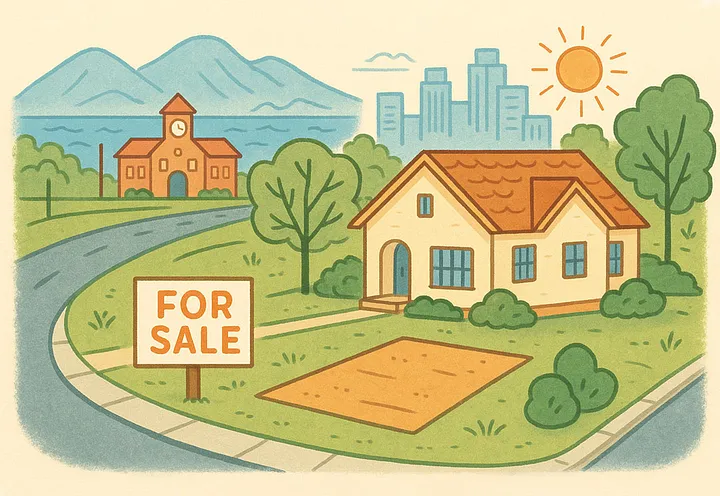
Zoning and Allowable Use: The Blueprint of Potential
The most fundamental determinant of a lot's value is its zoning and allowable use. This isn't just about whether you can build a home; it's about what kind of home, how many, and how tall.
Base Zoning: A lot zoned R1 (single-family residential) will have vastly different development potential and value than one zoned RD2 (two dwelling units per lot) or R3 (multi-family residential). These designations dictate the maximum unit count, building height limits, and required setbacks from property lines, all of which directly impact a developer's potential return.
Overlays and Specific Plans: In cities like Los Angeles, additional layers of regulation can dramatically alter a lot's possibilities. Transit Oriented Communities (TOC) tiers, for instance, can offer density bonuses and reduced parking requirements for parcels near transit. Conversely, Community Plan Implementation Overlays (CPIOs) or Specific Plans might impose stricter design guidelines, height limits, or even prohibit certain uses. Understanding these intricate rules, often found on planning.lacity.gov and within TOC Guidelines, is paramount.
Entitlements Already in Place: The Value of Time Saved
Time is money, especially in development. A lot that comes with entitlements already in place can be worth significantly more than a raw parcel, even if they appear physically similar.
Pre-Approved Permits: Imagine a parcel with an approved tract map for multiple units, a crucial coastal development permit in a sensitive zone, or a hillside grading approval. These pre-existing approvals can leapfrog years of costly and uncertain processing time. Securing such permits typically involves extensive studies, public hearings, and significant fees.
Timelines and Fees: Obtaining a tract map in Los Angeles can take 18-24 months, while a California Coastal Commission permit might require another 6-12 months, each incurring substantial fees for consultants, legal reviews, and agency charges. A buyer of an entitled lot bypasses these hurdles, accelerating their project timeline and reducing risk.

Site Conditions and Build Cost: The Hidden Expenses Below Ground
The physical characteristics of the land itself

The physical characteristics of the land itself. Both visible and invisible are major cost drivers.
Topography: A flat, easily buildable pad costs far less to develop than a steep slope that necessitates extensive grading, costly retaining walls, and specialized foundation engineering. The cost difference can easily run into six figures.
Soils: The underlying soil composition is critical. Parcels in liquefaction zones (prone to soil instability during earthquakes) or those with expansive clay (which swells and shrinks with moisture) trigger costly geotechnical mitigation measures, such as deep foundations or soil stabilization. You can consult California Geological Survey liquefaction maps to identify such risks.
Utilities: The presence of existing sewer laterals and Edison service drops at the property line can save tens of thousands of dollars compared to extending new lines from distant mains. LADWP's connection fee schedule provides a clear picture of these potential expenses.

Environmental or Historic Constraints: Regulatory Roadblocks
Beyond basic zoning, specific environmental and historic designations can impose severe restrictions and add significant costs.
Hazard Zones: Parcels situated inside Very High Fire Hazard Severity Zones (as designated by CAL FIRE) or within FEMA-mapped flood zones (check FEMA MSC for maps) face stricter building codes, requiring fire-resistant materials or elevated foundations, and often lead to substantially higher insurance premiums.
Historic Preservation: Properties within Historic Preservation Overlay Zones (HPOZs), managed by the Los Angeles Office of Historic Resources, can significantly limit exterior changes, renovations, or demolition, preserving historical character but potentially stifling modern development aspirations.

Access and Frontage: Navigating the Entry Point
How a lot connects to public infrastructure is crucial for both functionality and safety.
Limited Access: Flag lots, which have a narrow strip of land providing access to a larger rear portion, or parcels without legal street frontage, may require the acquisition of easements from neighboring properties or the construction of costly "hammerhead" turnarounds for fire apparatus access, as mandated by Los Angeles Fire Code Section 503.
Corner Lot Premiums: Conversely, corner lots often command premiums due to their increased design flexibility, greater light and air exposure, and additional street frontage which can provide more parking options or better visibility for commercial uses.

Market Timing and Comparable Sales: The Pulse of the Market
Even with all physical and regulatory factors considered, market dynamics play a final, powerful role.
Anchoring Prices: A recently closed escrow on a nearby parcel with similar characteristics and, crucially, similar entitlements already in place, can anchor higher list prices for comparable properties. This demonstrates proven market value for a "shovel-ready" site.
Appraiser Adjustments: Professional appraisers meticulously adjust land comparable sales for subtle differences. This includes view corridors (ocean, city skyline), the quality of school districts, and even street orientation (e.g., south-facing for better light, or north-facing for cooler interiors in hot climates). These qualitative factors, while subjective, have tangible market value.

Due-Diligence Checklist for Buyers
Before making an offer on any vacant land, comprehensive due diligence is non-negotiable:
ZIMAS Report: Pull the ZIMAS report (Zoning Information and Map Access System) for Los Angeles properties. This invaluable tool provides details on zoning, overlays, and hazard layers.
Preliminary Title Report: Order a preliminary title report to uncover any easements, liens, or other encumbrances that could affect development.
Utility Capacity Letters: Request letters from LADWP, SoCal Gas, and the local sewer district to confirm the availability and capacity of services to the lot.
Soils Engineer: Schedule a soils engineer for a Phase I geotechnical review to assess soil conditions and potential hazards.
Permit History: Confirm the permit history and check for any open code violations with LADBS (Los Angeles Department of Building and Safety).

Final Thoughts: Beyond the Surface
Ultimately, while a lot's size and general location start the pricing conversation, it is the intricate details of its entitlements, environmental hazards, and existing infrastructure that truly finish it. The apparent similarity of two parcels can be deceiving, masking hundreds of thousands of dollars in potential development costs or savings.
For any serious land buyer, investing in a comprehensive parcel report and scheduling a professional site walk with relevant experts before making an offer is not an expense, but an essential safeguard. Understanding these hidden variables transforms a speculative purchase into an informed investment, allowing you to truly grasp why two nearly identical lots can have wildly different prices.


Comments